
Meet Our Research Partners
Giving Strength collaborates with world-class scientists and clinicians across five continents. Together, we are building the scientific foundation needed to develop treatments for SELENON-Related Myopathy.
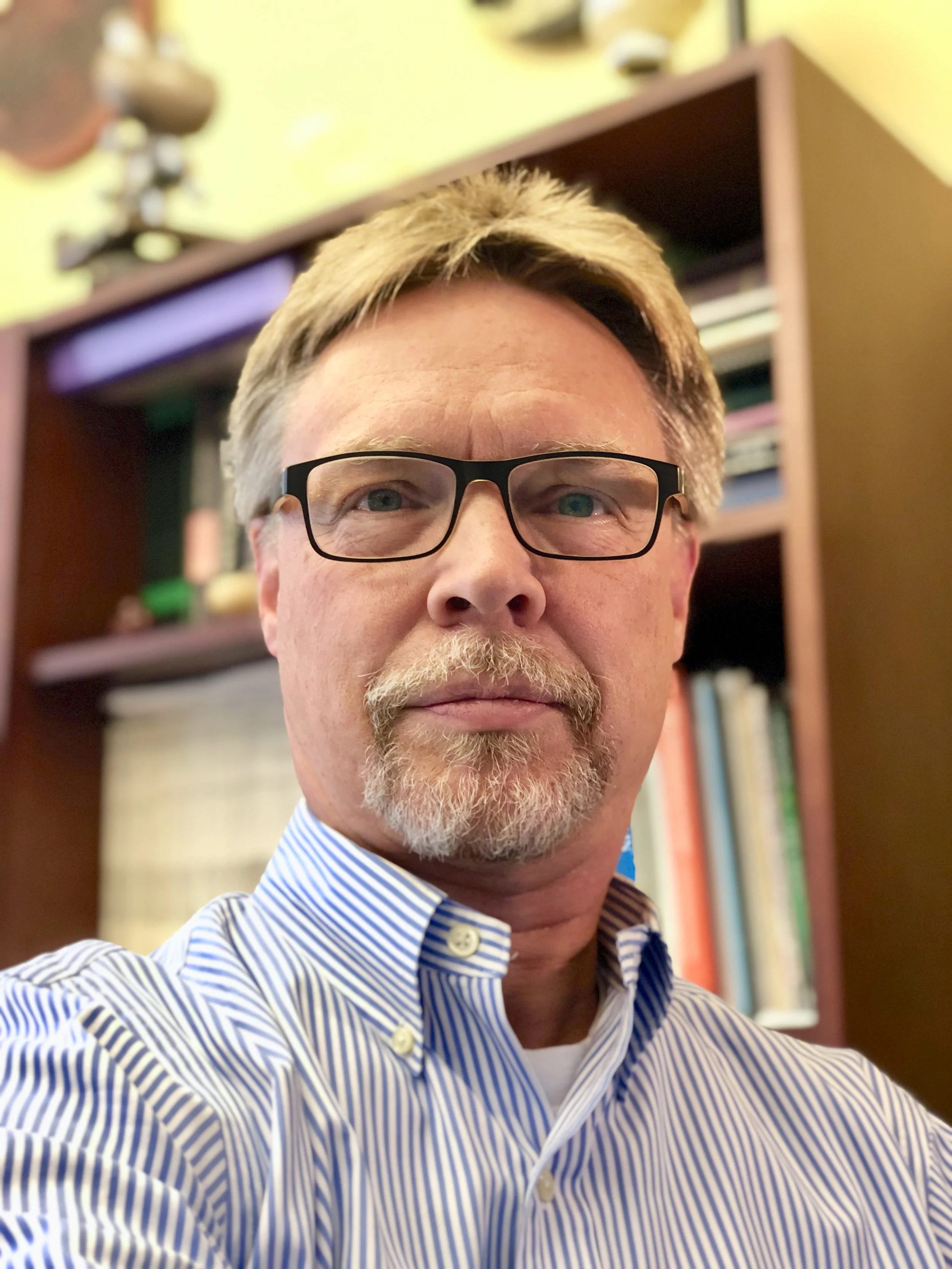
Dr. Beggs directs the Manton Center for Orphan Disease Research at Boston Children's Hospital and holds the Sir Edwin & Lady Manton Professorship of Pediatrics at Harvard Medical School. A leading figure in the field of congenital neuromuscular disease, he has dedicated decades to understanding the genetic underpinnings of rare muscle disorders. Under his leadership, the Beggs Laboratory has built foundational cellular and animal models of SELENON-RM that are now central to the global effort to understand and treat this disease.
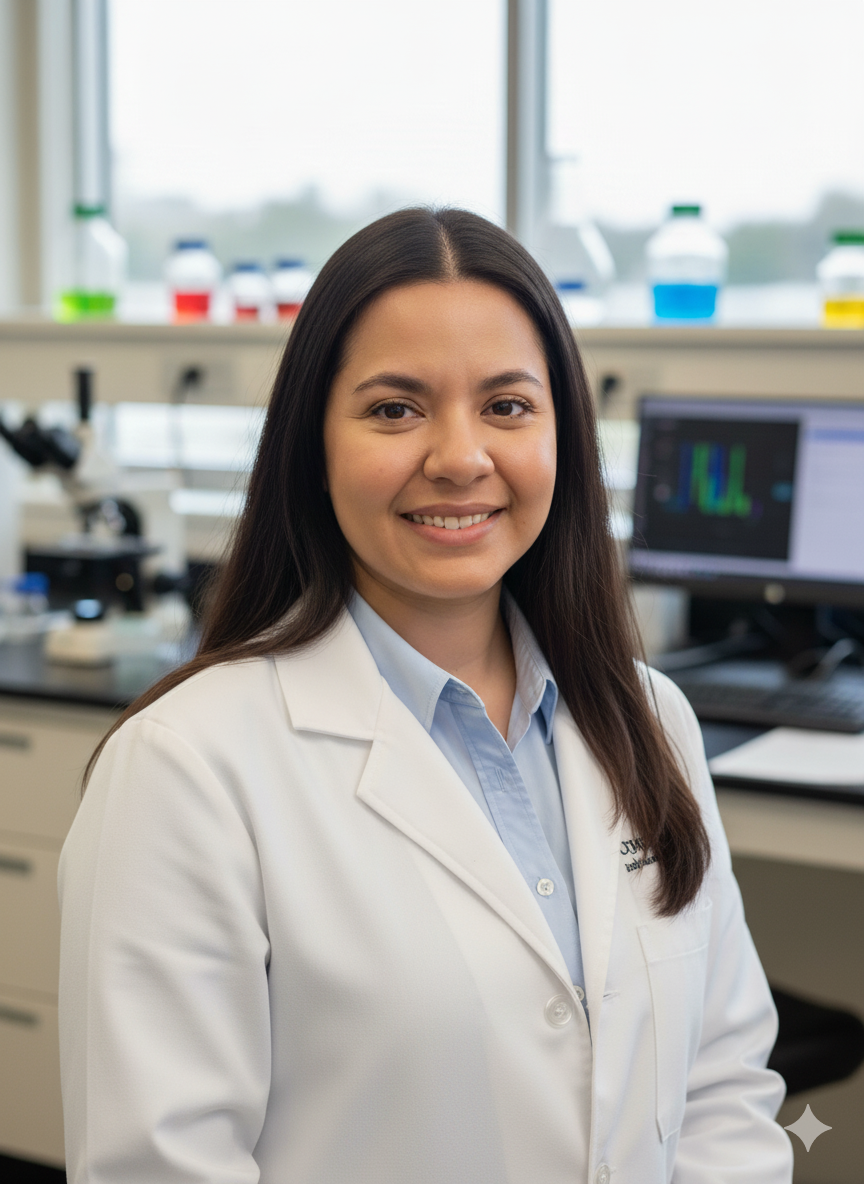
Dr. Barraza-Flores brings deep expertise in muscle cell biology and drug discovery to the Beggs Laboratory. Her work focuses on characterizing the tissue and cellular changes that define SELENON-RM at the molecular level — knowledge that is essential for identifying and validating therapeutic targets. She is also developing high-throughput cell painting assays designed to screen thousands of drug candidates at scale.
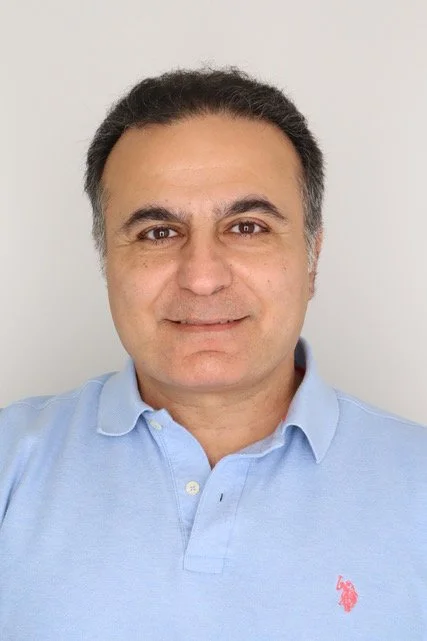
Dr. Moghadaszadeh holds a singular place in the history of SELENON-RM — he was the first scientist to identify SELENON mutations as the underlying cause of the disease. An Instructor of Pediatrics at Harvard Medical School, he is now channeling that pioneering work into one of the most promising frontiers in rare disease medicine: developing a gene therapy designed to restore normal Selenoprotein N expression and activity in affected patients.
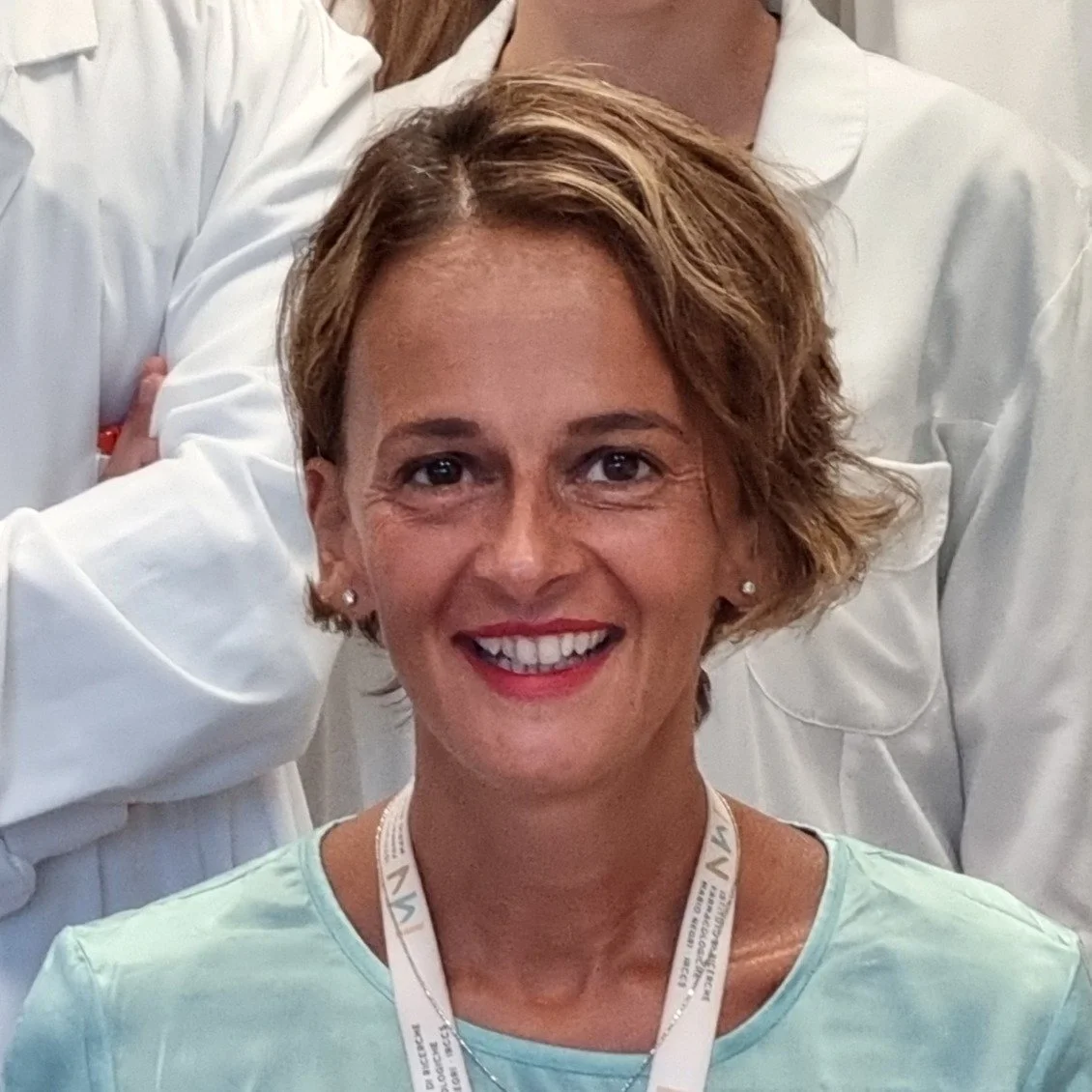
Dr. Zito heads the Laboratory of Signal Transduction at the Mario Negri Institute, one of Europe's foremost independent pharmacological research institutions. Her work has revealed that elevated levels of the stress protein ERO1A worsen SELENON-RM pathology — a finding that has opened a compelling new therapeutic avenue. She is now working to confirm ERO1A as a validated drug target and to identify potent inhibitors that could form the basis of a future treatment.
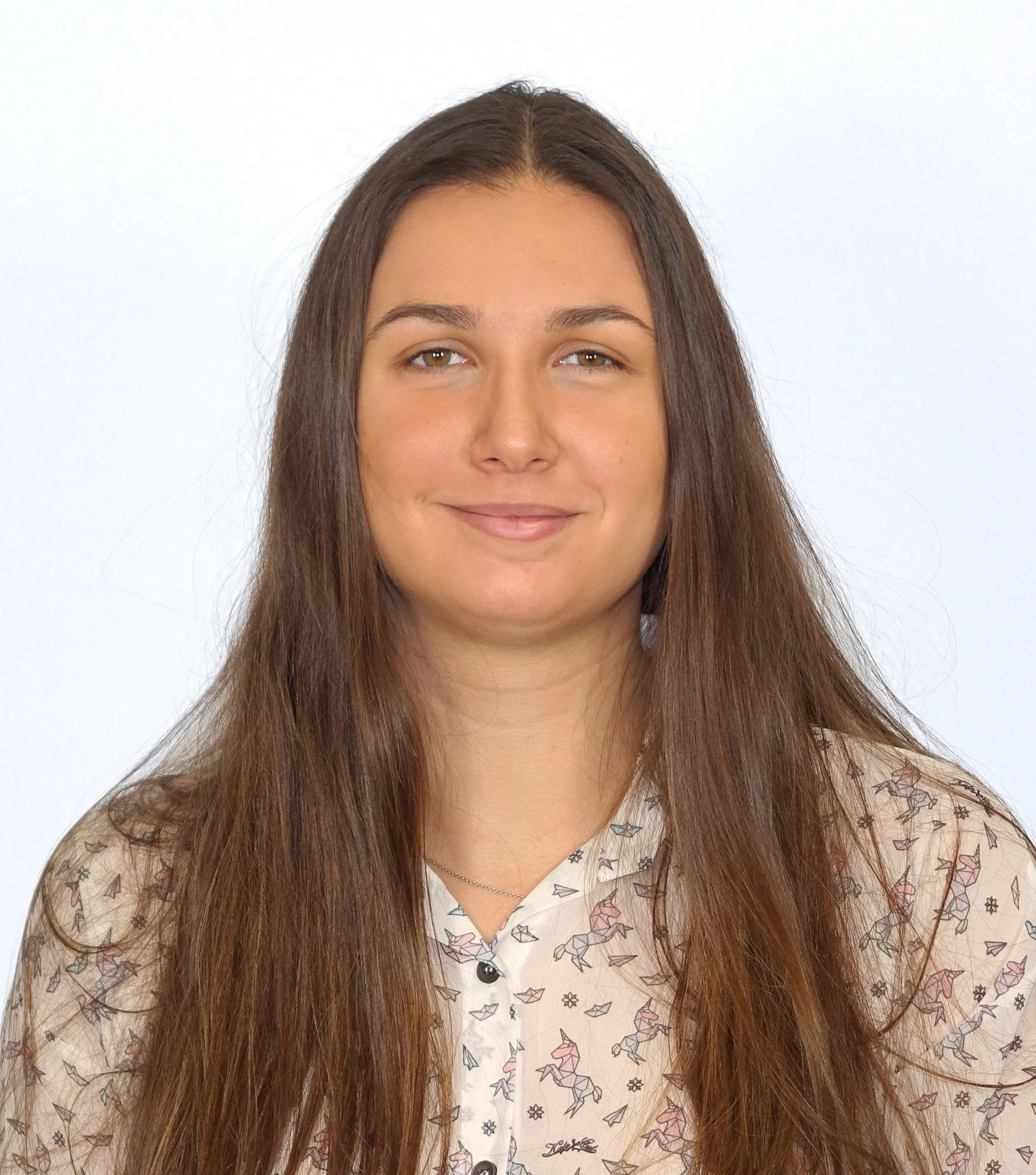
A postdoctoral researcher in the Zito Lab, Dr. Germani is building a multidimensional picture of what SELENON-RM does to muscle cells. Drawing on cellular models, mouse models, and patient-derived biopsies, she is uncovering the bioenergetic deficits and stress responses that drive muscle dysfunction — findings that will help identify the most promising points of therapeutic intervention.
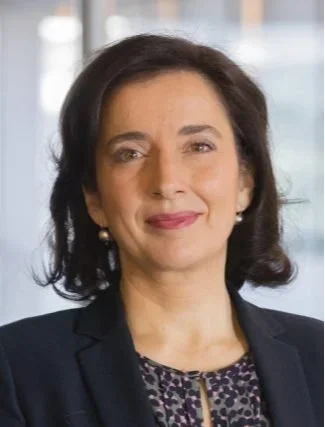
Dr. Ferreiro is among the first scientists to identify SELENON mutations as the cause of a congenital myopathy, making her one of the founding figures in the field. A Professor of Neurology at Sorbonne University and Research Director at the Institute of Myology's Myology Research Center, she has spent two decades combining clinical work with fundamental science to understand congenital muscle diseases. Today she is leading the search for disease biomarkers and developing high-throughput screening platforms designed to identify new therapeutic candidates at scale.
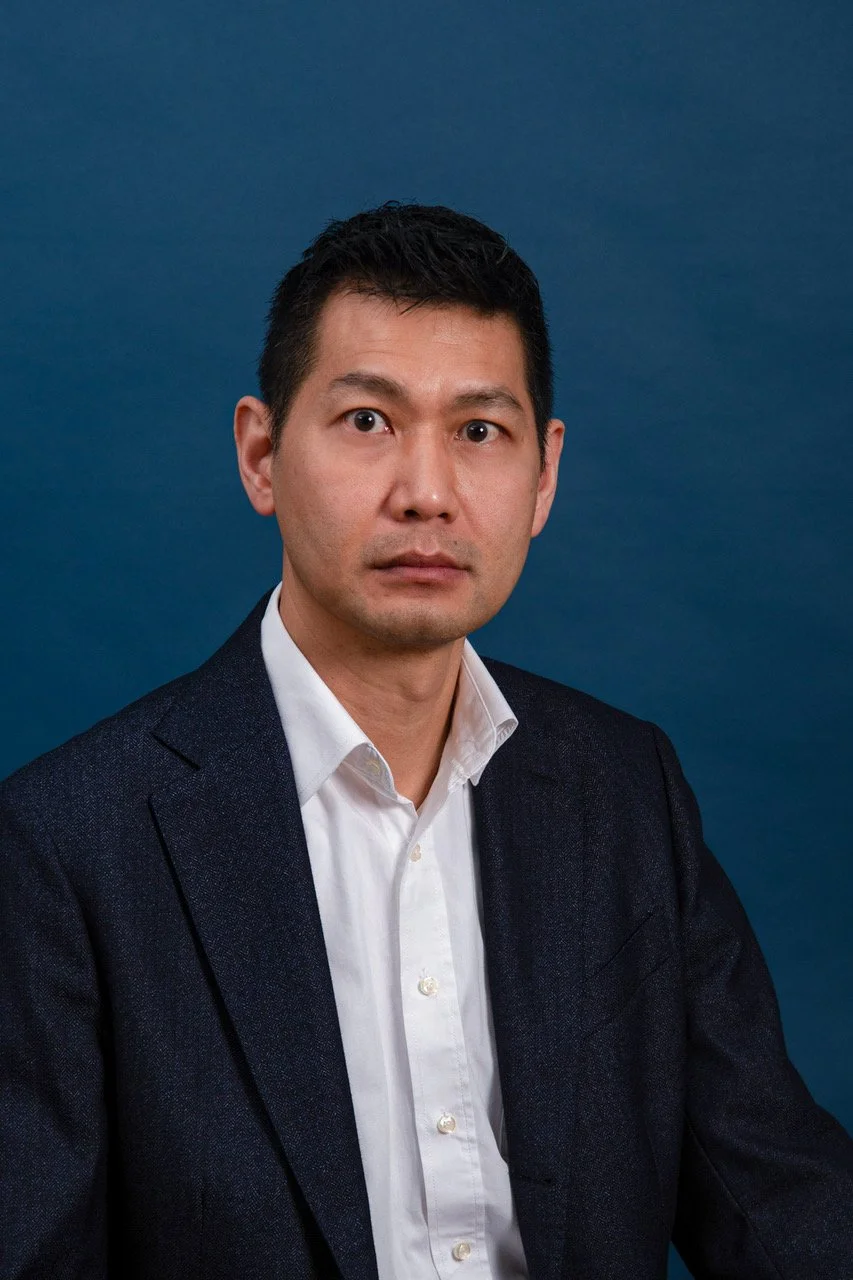
Dr. Ho leads R&D projects at the Institute of Myology, where he bridges the gap between fundamental science and potential treatments. Working closely with Dr. Ferreiro, he is at the forefront of efforts to identify biomarkers that could track disease progression and measure therapeutic response — tools that are essential for both drug discovery and future clinical trials. He is also leading the development of high-throughput screening assays to accelerate the identification of new therapeutic candidates for SELENON-RM.
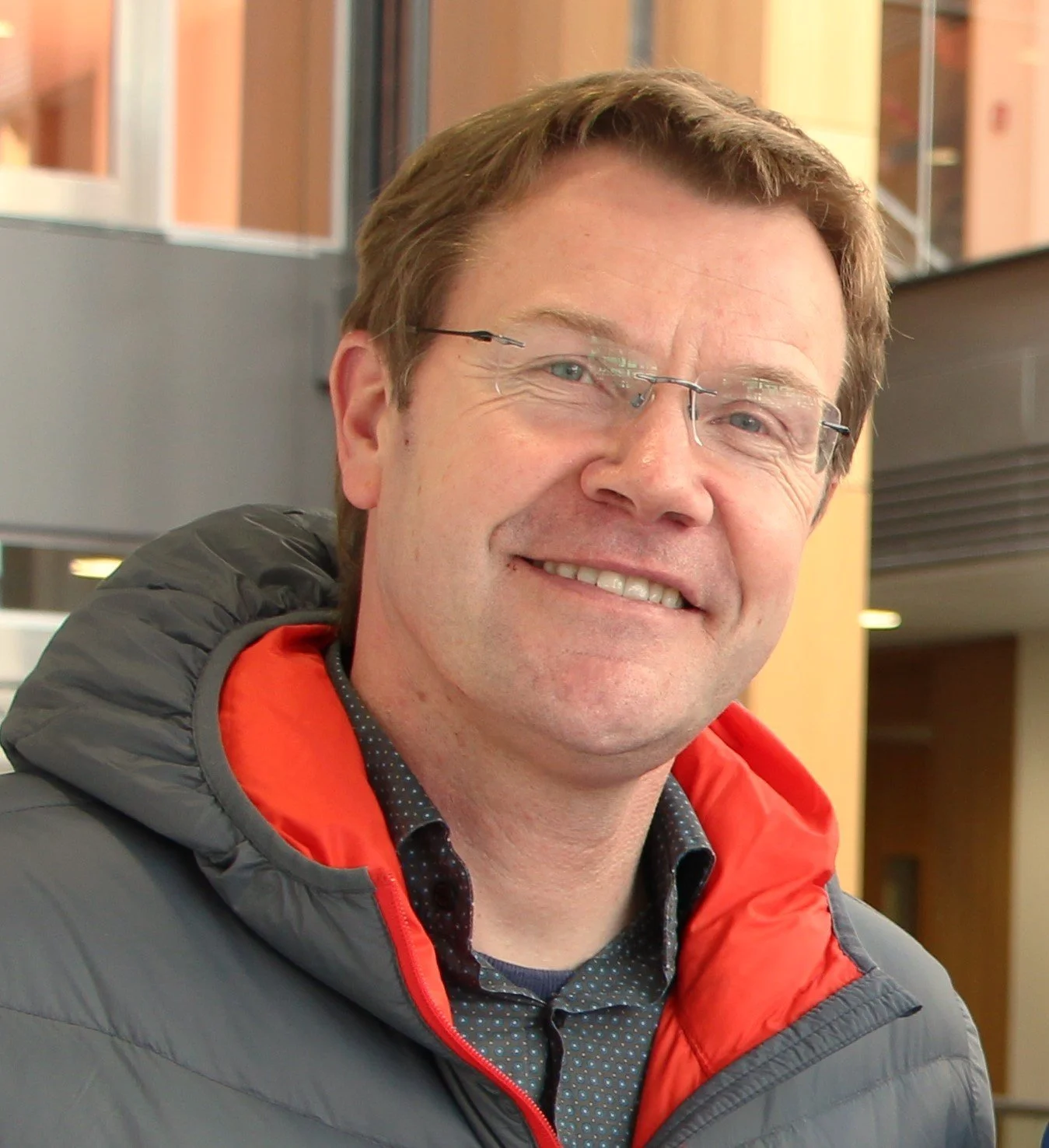
Professor Ken O'Halloran is Head of the Department of Physiology at University College Cork, where he leads research into respiratory function and neuromuscular disease. His work has deepened our understanding of how the diaphragm and accessory breathing muscles respond under conditions of disease — and how they can be harnessed therapeutically. This expertise is directly relevant to SELENON-RM, where respiratory failure is a primary driver of morbidity and one of the most urgent clinical challenges families face.
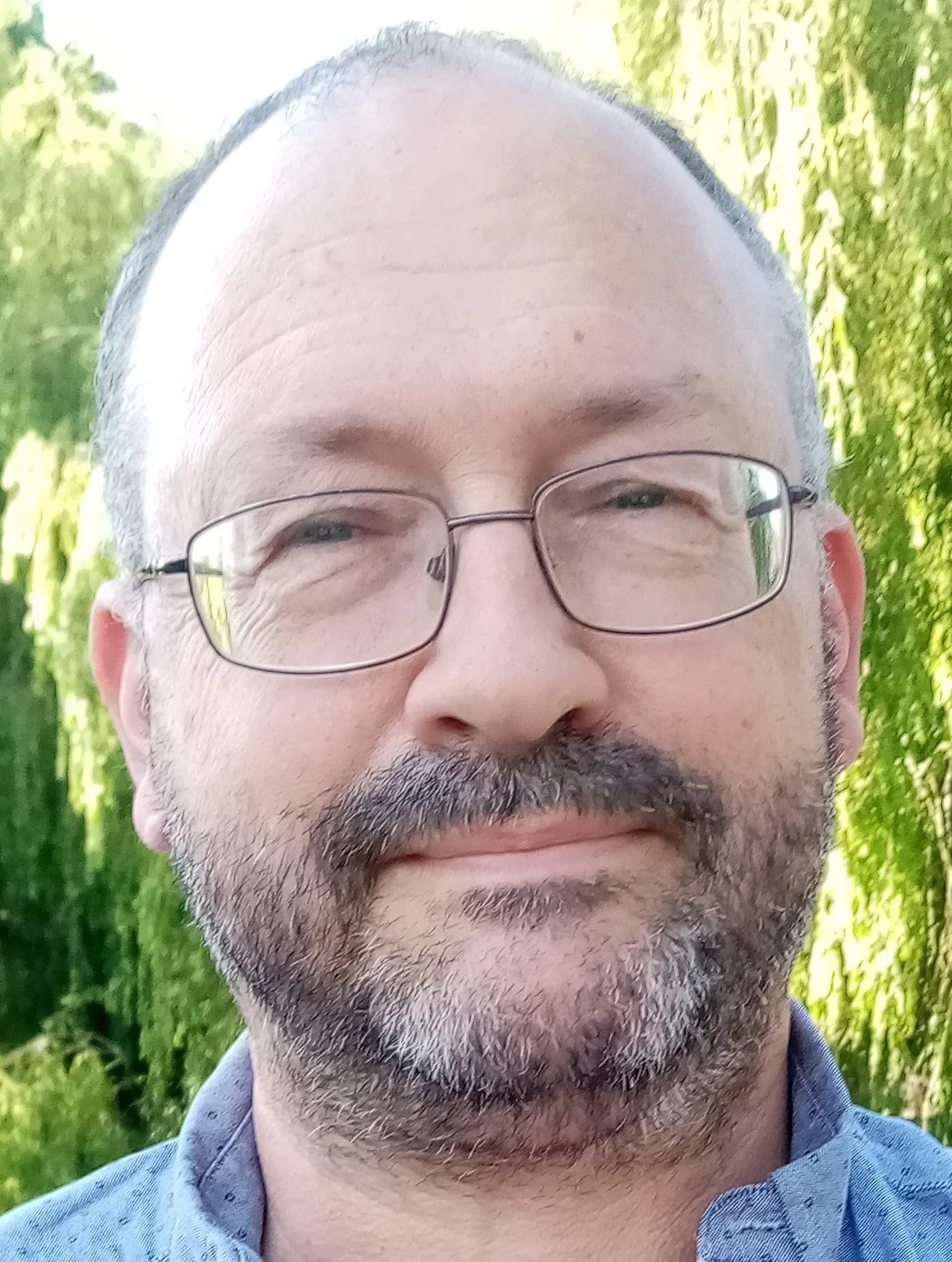
Dr. John Mackrill leads a research laboratory at University College Cork specializing in the biochemistry of calcium-handling proteins and intracellular calcium signaling. His work encompasses selenoproteins and their role in muscle physiology — placing his expertise at the heart of SELENON-RM research. Because Selenoprotein N is itself a calcium-associated protein, Dr. Mackrill's deep knowledge of this biology is directly informing the search for new drug targets and therapeutic strategies.

Dr. Jenny Yang is a Georgia Regents' Professor at Georgia State University, a Professor of Translational Sciences at the University of Alabama at Birmingham, and a Fellow of the National Academy of Inventors. She is internationally recognized for her work on calcium dysregulation in human disease and for developing some of the most sensitive Ca²⁺ biosensors in the field — molecular tools capable of detecting rapid, spatially resolved calcium signals within individual cells. For SELENON-RM, these biosensors are invaluable: they make it possible to run high-throughput screens that can identify drug candidates capable of correcting the calcium signaling defects at the heart of the disease.
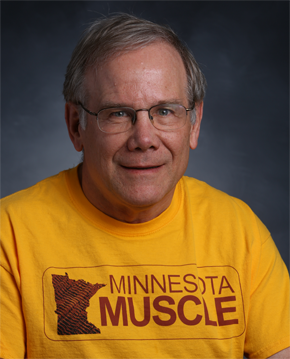
Dr. Dave Thomas holds the Dietrich Chair in Biochemistry at the University of Minnesota, where he directs the Minnesota Muscle Training Program and the UMN Muscle Laboratory. With decades of experience studying the molecular mechanisms that underlie muscle disease, he brings deep expertise in the structure and function of proteins within the sarcoplasmic reticulum — the calcium-handling compartment of muscle cells where Selenoprotein N resides. In close collaboration with Dr. Rebbeck, his lab is now developing high-throughput screening platforms to identify compounds that can therapeutically target this pathway.
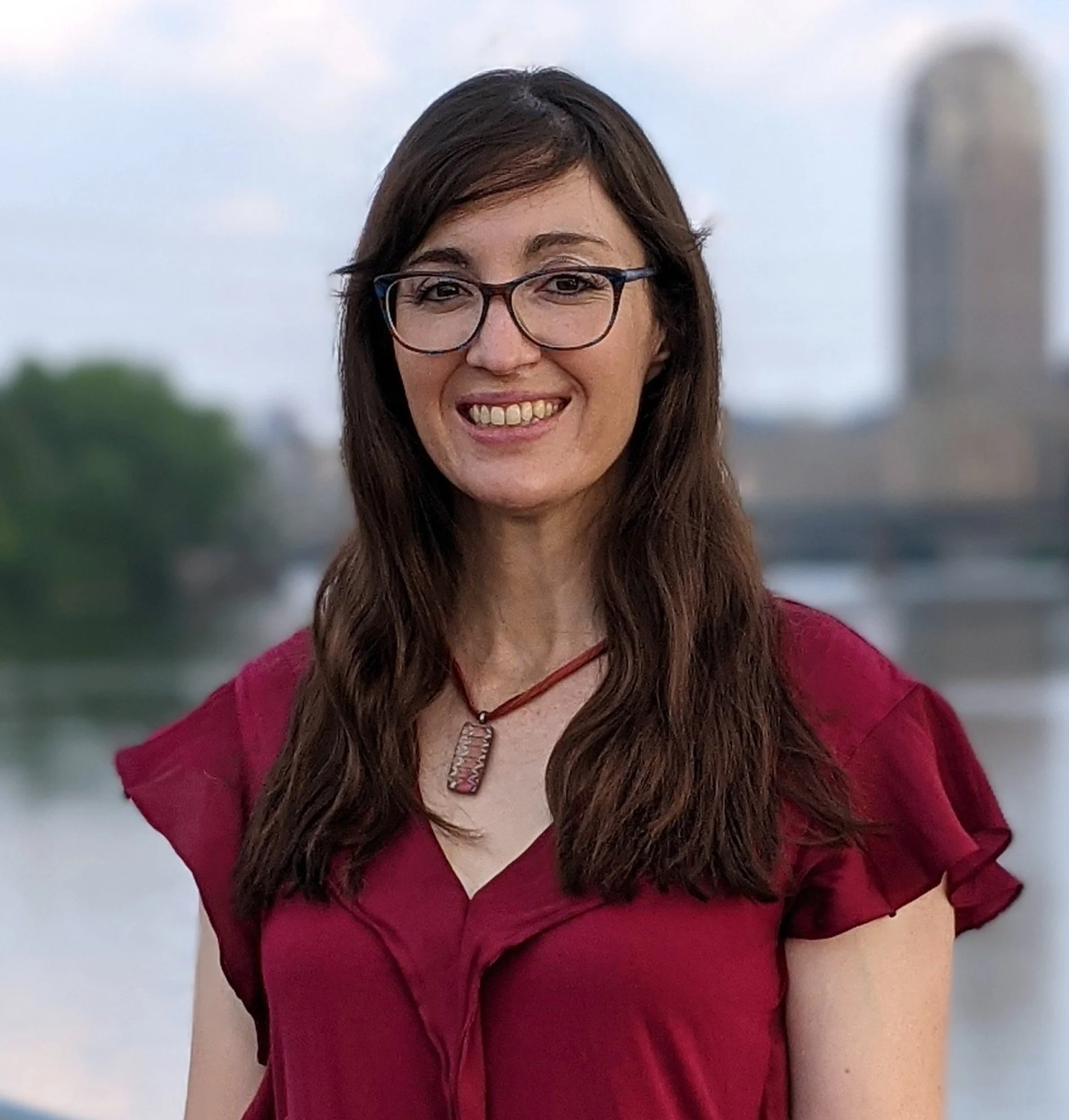
Dr. Robyn Rebbeck is an Assistant Professor at the University of Minnesota and Director of the Biophysical Technology Center, where she develops cutting-edge approaches to high-throughput drug discovery. Her focus on calcium accessory proteins within the endoplasmic and sarcoplasmic reticulum is closely aligned with the biology of SELENON-RM, and her collaboration with Dr. Thomas is producing new screening platforms capable of identifying drug candidates that could correct the underlying defects driving this disease.
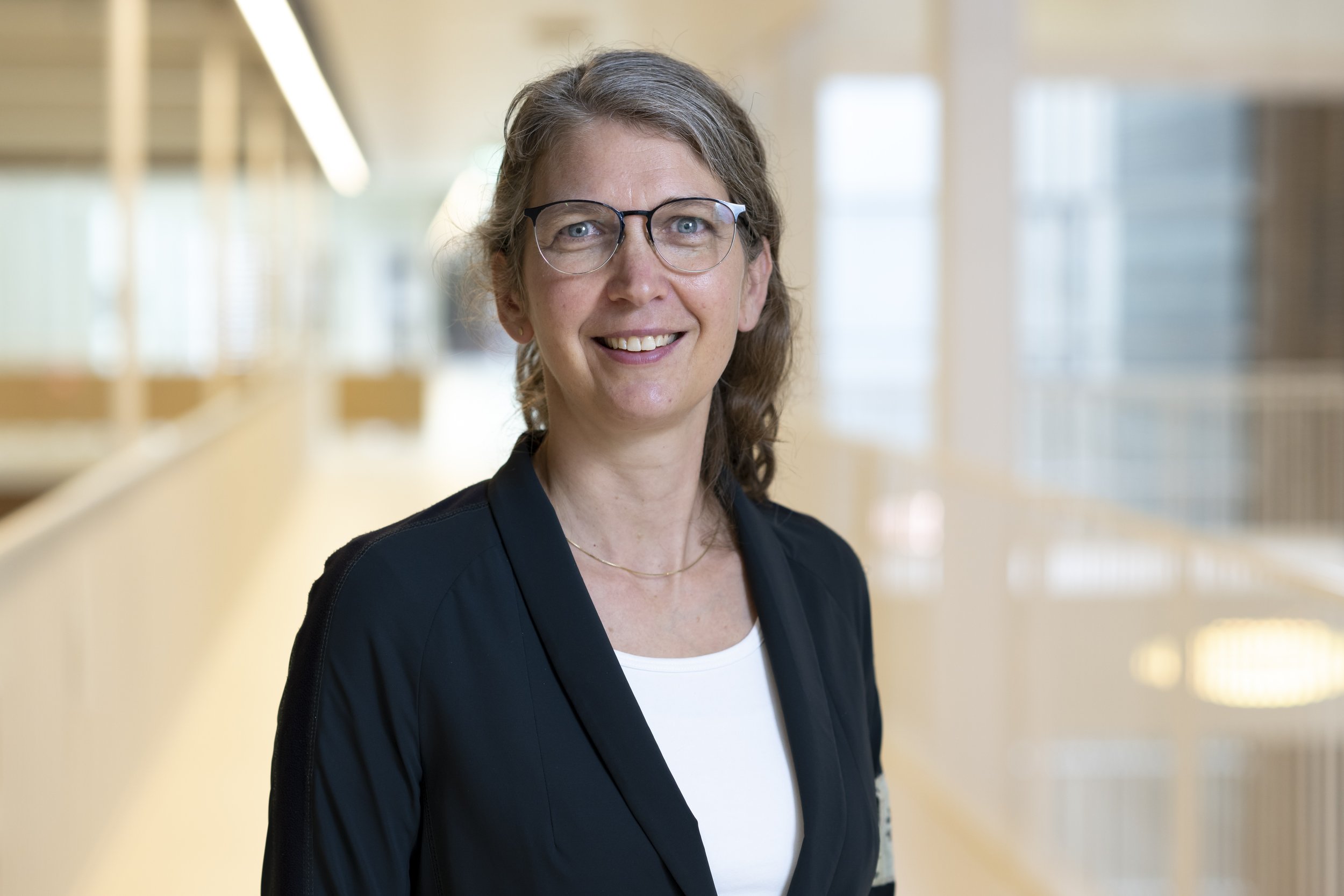
Professor Nicol Voermans is a Full Professor of Neurology at Radboud University Medical Center, where she combines an active clinical practice with a research program focused on neuromuscular disorders. She has long been one of the leading clinical experts in SELENON-RM, and today she and Dr. Erasmus are co-leading a landmark five-year natural history study of the disease — the most comprehensive longitudinal study of SELENON-RM to date. The data emerging from this study will be indispensable for understanding how the disease progresses and for designing rigorous future clinical trials.

Dr. Corrie Erasmus is a pediatric neurologist and Associate Professor of Pediatric Neuromuscular Diseases at Radboud University Medical Center, where she co-leads the Children's Muscle Center. As a clinician who works directly with SELENON-RM patients and their families, she brings an irreplaceable perspective to the five-year natural history study she is co-leading with Dr. Voermans — one that bridges scientific data with the lived reality of the disease. Her work is helping build the clinical evidence base that future treatments will need to demonstrate their impact.
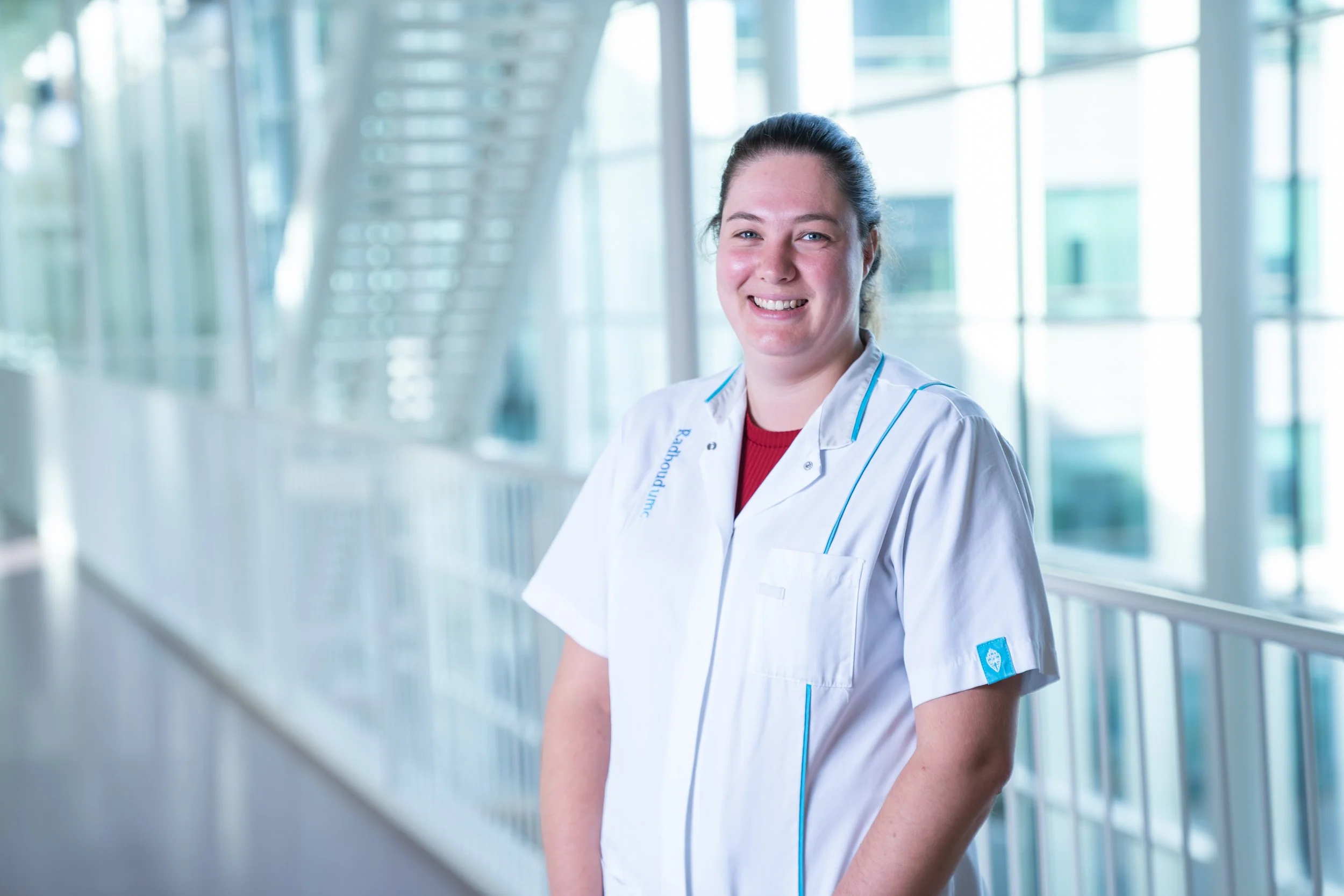
Ilse de Laat is a PhD candidate in Neurology at Radboud University Medical Center, where she works at the intersection of clinical research and data science. As a core member of the Voermans–Erasmus natural history study team, she is responsible for the comprehensive analysis and interpretation of longitudinal clinical data — work that will define how SELENON-RM progresses over time and shape the design of future clinical trials.
Your Support Makes This Research Possible
SELENON-RM receives little to no support from large pharmaceutical companies. Independent fundraising is the only path forward. Every donation goes directly to the researchers working to change that.
DONATE NOW